Amferia presents at Brilliant Minds conference 2019, Stockholm
:
Amferia was honored to pitch as one of the ‘Next Brilliant in Tech‘ at Brilliant Minds 2019 held at Stockholm between 13-15 June. With esteemed guests like President Barack Obama, Secretary John Kerry, Greta Thunberg, the conference was a enlighetening and inspiring event with much hope for the future.
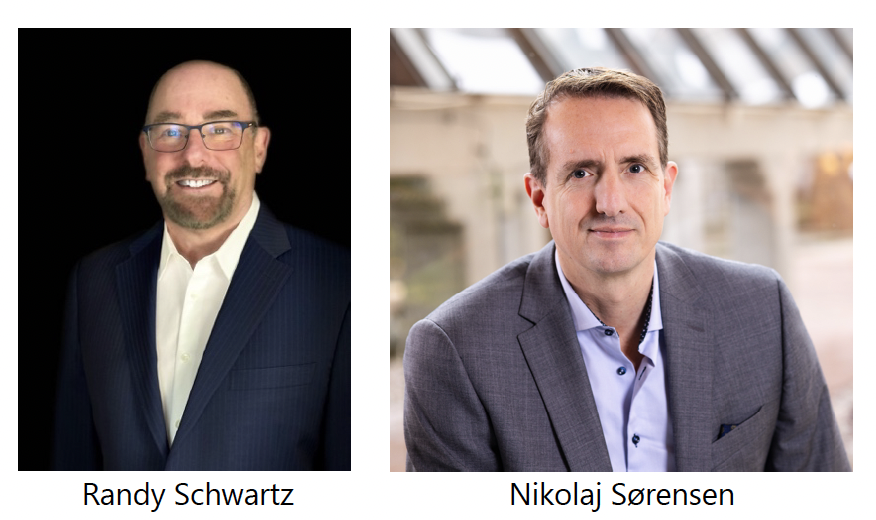
Amferia Annual General Meeting (AGM) Appoints Global Healthcare Leaders Randy Schwartz and Nikolaj Sørensen to Board of Directors
June 25, 2026
Amferia AB is pleased toannounce the appointment of two new board members, Randy Schwartz and NikolajSørensen, to help guide the company's next phase of global expansion. FollowingAmferia’s recent FDA De Novo approval, the company is actively preparing toaccelerate its commercial entry into the US market. The addition of these twoaccomplished leaders brings targeted expertise in wound care commercialization,advanced medical devices, and international life science strategy—providing apowerful foundation for Amferia's continued growth.
RandySchwartz is a senior healthcare executive and consultant with more than 40years of experience driving growth, innovation, and market leadership in themedical technology, wound care, and skin health industries. As Principal of MedMarket Consultants and GR Consulting Solutions, he advises start-up, emerging,and established healthcare companies on commercialization, market access,reimbursement, clinical strategy, business development, and global expansion.Previously, Randy held multiple executive leadership roles at Molnlycke HealthCare, including Global Vice President of Medical & Professional Affairs,Vice President of Marketing, and Global Marketing Director, where he helpedestablish the company as a global leader in advanced wound care. He hasextensive experience in strategic marketing, evidence development, productlaunches, M&A, and international market expansion, and currently serves onthe Board of the Wound Care Collaborative Community, an FDA-recognized collaborativecommunity focused on advancing innovation in wound care.
NikolajSørensen has established an impressive track record within the internationalpharmaceutical and healthcare sectors, holding premier leadership positionssuch as; Managing Director of Pfizer AB, Senior Management roles across PfizerInc., Management Consultant at the Boston Consulting Group, and presently servesas the President and CEO of Orexo AB. Today, he utilizes his deep expertise inglobal corporate strategy to serve on the boards of pioneering enterprises.Nikolaj’s extensive knowledge in pharmaceutical commercialization andinternational scaling will be important for Amferia’s scale-up journey in bothhuman and animal wound care.
TheAGM also chose to re-elect Agneta Edberg (chair), Professor Martin Andersson,Anders Husmark and Henrik Jansson.
Dorotea Soja Joins Amferia as QA/RA Operations Co-ordinator
June 9, 2026
Dorotea is a skilled technical communications coordinator with over six years of experience specializing in translation, localization quality assurance, and change management. During her career, she has built an impressive operational background in the MedTech industry, coordinating multiple complex, end-to-end documentation and labeling projects simultaneously to support successful product launches.
Her focus has always been on workflow optimization, quality management systems (QMS), and ensuring strict cross-functional stakeholder alignment. Dorotea is passionate about driving internal process improvements and translating structured, analytical data tracking into seamless operational excellence throughout the product lifecycle. At Amferia, Dorotea will contribute her deep expertise in regulatory labeling administration, change management, workflow optimization and cross-functional coordination to the development of our antimicrobial technology.
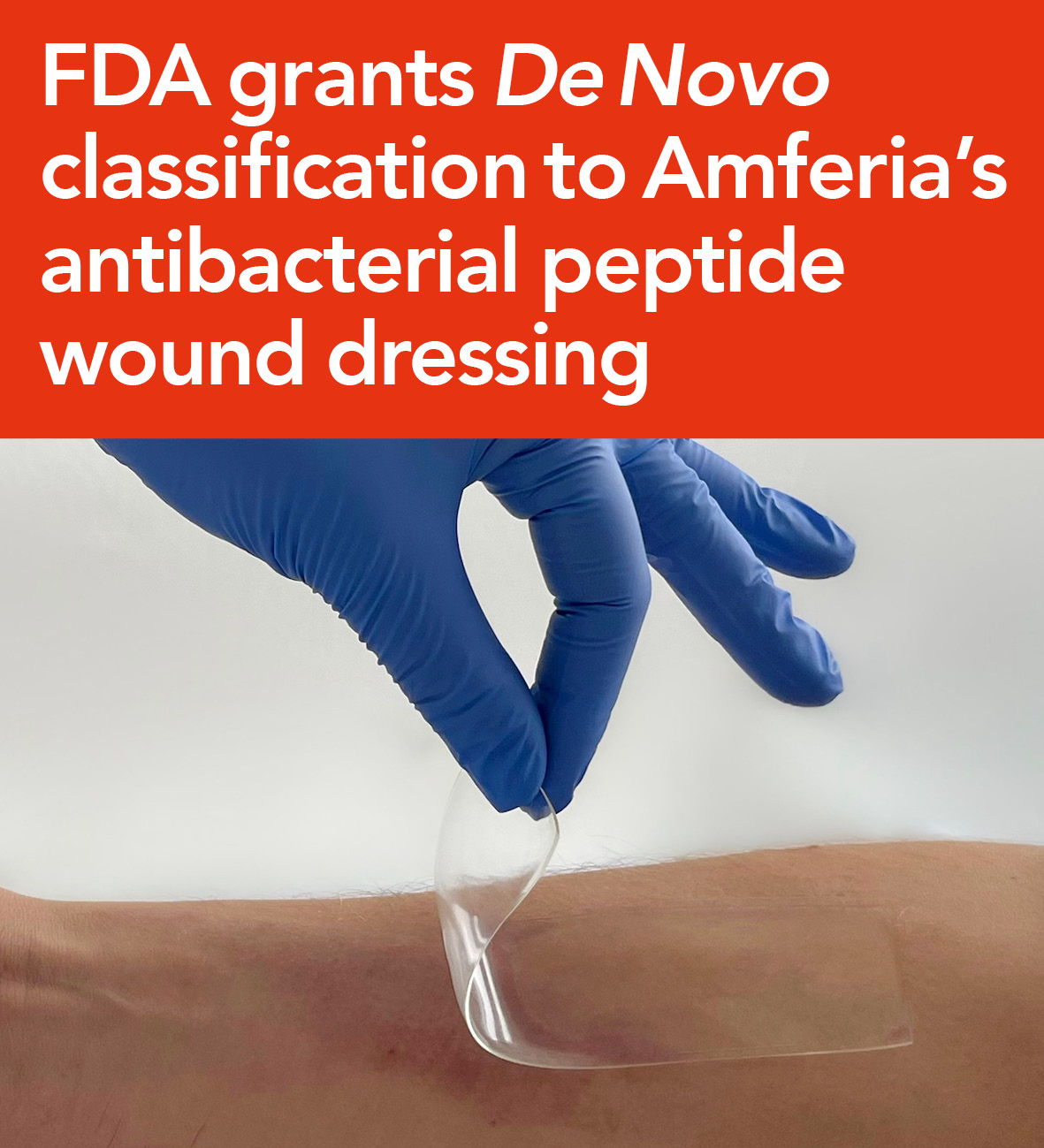
FDA Grants De Novo Classification to Market the World’s First Antibacterial Peptide-Based Wound Dressing
February 12, 2026
In granting the De Novo Classification Request, FDA allows Swedish medtech firm Amferia to market the first-ever wound care product featuring antibacterial peptides as the mechanism for fighting infection. The decision creates a new regulatory category for wound dressings in the U.S.
GOTHENBURG, SWEDEN—Amferia today announced that its antibacterial wound dressing has been granted approval by the U.S. Food and Drug Administration (FDA) through the De Novo Classification Request track, allowing Amferia to enter the U.S. market with a unique Class 2 medical device antibacterial dressing for advanced wound care.
Amferia’s patented technology is a hydrogel permanently bonded with peptides, which kill pathogenic bacteria by drawing them close and physically puncturing their cell membranes. Even antibiotic-resistant bacteria cannot effectively resist this interaction.
To confirm the dressing’s efficacy and safety for FDA regulators, Amferia was obliged to demonstrate that their novel mode of action kills 99.99% of bacteria exposed to it—an FDA threshold—without releasing active substances into the wound or the body.
The FDA’s approval of Amferia’s innovation establishes a new regulatory category for wound dressings and enables a unique and powerful tool in the worldwide battle against wound infection.
“This approval validates years of scientific and regulatory work,” said Anand Rajasekharan, Amferia CEO & Co-Founder. “More importantly, it opens the door to safer, more sustainable ways to fight infection—at a time when the need for new antimicrobial strategies has never been greater.
“Bacterial infections are likely to surpass cancer and heart disease as a number one cause of human deaths in the future, and this is largely due to resistance to commonly used antibiotics. Our hydrogel technology enables the safe and stable use of antibacterial peptides, allowing them to effectively target bacteria without harming surrounding tissue.”
Studies on animal patients demonstrate that, in addition to effectively killing a broad spectrum of bacteria including antibiotic-resistant bacteria, Amferia dressings help support moist wound healing.
The FDA’s decision positions Amferia as a strategic partner for established wound care companies seeking next-generation antimicrobial solutions that align with evolving regulatory and safety expectations. With FDA approval secured, Amferia expects heightened interest from industry partners and plans to expand the application of its peptide-based technology beyond wound care over time.
A Deliberate, Data-Driven Path to Approval
Early engagement with the FDA made clear that Amferia’s wound dressing was too novel to be reviewed through the traditional 510(k) pathway, which compares new treatments to existing products and determines if they are substantially equivalent. Since no anti-bacterial peptide products currently exist on the U.S. market, the FDA pointed Amferia toward the De Novo classification pathway—designed for low-to-moderate risk devices that are new to the market but can be demonstrated safe and effective through clinical test results.
Amferia worked closely with FDA reviewers to generate an extensive body of evidence addressing questions of safety, effectiveness, and risk mitigation. Laboratory tests proved that Amferia’s wound dressings meet the FDA’s stringent requirement that wound dressings calling themselves anti-bacterial kill at least 99.99% of bacteria they are exposed to. Advanced chemical analyses proved that the peptides remain permanently bound to the hydrogel and do not leach into surrounding wound or tissue.
At several points, FDA feedback resulted in additional testing requests, including expanded bacterial strain panels and further in-vivo safety studies. Amferia responded point-by-point, generating new data and refining its submission. Throughout the process, the FDA did not challenge the underlying science of the technology, focusing instead on ensuring that the novel mechanism could be clearly understood, reproducibly tested, and safely regulated.
Amferia signs major contract in Animal Health with Grovet BV and Expands into the Benelux markets
February 2, 2026
An innovative new wound care technology will now allow veterinarians in the Benelux countries to protect wounds from bacterial infections and help heal animal wounds faster. Amferia announced a distribution partnership with Grovet BV —a major player serving the animal health market in European countries including Netherlands, Belgium, and Luxemburg.
The joint efforts will aim to make products available as soon as the spring of 2026.
The partnership with Grovet will bring a groundbreaking treatment to animal patients in the Benelux region. Extensive research across Europe demonstrates that Amferia’s dressing helps heal wounds significantly faster than currently available dressings.
But Amferia’s greatest promise might lie in its proven ability to counter the rising threat of antibiotic-resistant bacteria. Because Amferia kills bacteria by drawing them close and physically puncturing their cell membranes, even bacterial strains that have developed a resistance to medical antibiotics cannot effectively resist this interaction.
This distribution agreement follows a milestone year in which Amferia introduced Europe’s first veterinary wound dressing using antimicrobial peptides, launched in collaboration with leading animal-health partners, and advanced efforts to achieve regulatory approval in the U.S. for human wound care.
Fueling Growth Across Veterinary Wound Care
According to Amferia Sales and Marketing Director and co-founder Saba Atefyekta, the new partnership will help Grovet advance its animal wound care offerings, as well as expand Amferia’s animal-health footprint in Europe, where its products are already available in Scandinavia, Germany, Spain and Switzerland.
“Grovet’s market leadership in animal health will spearhead Amferia’s vision of addressing antibiotic-resistant wound infections. This partnership brings our innovation together with a leading partner in a market in need of new solutions. Veterinarians across Europe have shown strong interest in our innovation. They immediately recognize the potential for our new antimicrobial material for wound and infection management,” Atefyekta said.
“We are very excited about Amferia’s innovative technology for wound care in animals and we clearly see its potential to contribute to the battle against antibiotic-resistance. We are looking forward to launch AMP Wound Dressing in the Benelux very soon,” said Chris Dujardin, Head of Business Development at Grovet.
Amferia signs major contract in Animal Health with Magnum Veterinaaria and Expands into the Baltic States
January 20, 2026
An innovative new wound care technology will now allow veterinarians in the Baltic countries to protect wounds from bacterial infections and heal animal wounds faster. Amferia announced a distribution partnership with Magnum Veterinaaria—a major player serving the animal health market in Baltic States of Latvia, Lithuania, and Estonia.
The joint efforts will aim to make products available as soon as the spring of 2026.
The partnership with Magnum will bring a groundbreaking wound care to animal patients in the Baltics. Extensive research across Europe demonstrates that Amferia’s dressing helps heal wounds significantly faster than currently available dressings.
But Amferia’s greatest promise might lie in its proven ability to counter the rising threat of antibiotic-resistant bacteria. Because Amferia disrupts bacteria by drawing them close and physically puncturing their cell membranes, even bacterial strains that have developed a resistance to medical antibiotics cannot effectively resist this interaction.
Fueling Growth Across Veterinary Wound Care
According to Amferia Sales and Marketing Director and co-founder Saba Atefyekta, the new partnership will help Magnum advance its animal wound care offerings, as well as expand Amferia’s animal-health footprint in Europe, where its products are already available in Scandinavia, Germany, Spain and Switzerland.
“Magnum’s market leadership in animal health will spearhead Amferia’s vision of addressing antibiotic-resistant wound infections. This partnership brings our innovation together with a leading partner in a market in need of new solutions. Veterinarians across Europe have shown strong interest in our innovation. They immediately recognize the potential for our new antimicrobial material for wound and infection management,” Atefyekta said.
“We’re thrilled to announce that Magnum Veterinaaria is taking wound care in the Baltic region to the next level with the launch of Amferia—a truly unique solution,” said Lina Skinkė Head of Baltic Medicine and Laboratory Division, Magnum Veterinaaria. “This breakthrough technology helps to reduce the reliance on antibiotics in veterinary practice, empowers our partners and their patients to heal faster and more effectively.”
Amferia Secures €3.5M Investment to Accelerate Breakthrough Antimicrobial Technology in Human and Animal Health
December 15, 2025
Amferia today announced the close of an oversubscribed €3.5 million investment round.
The new funding—led by both existing shareholders and several new investors prominent in global wound care—will accelerate clinical development in human health, scale Amferia’s growing animal-health business, and support commercialization of new products based on its proprietary antimicrobial peptide (AMP) hydrogel platform.
This investment follows a milestone year in which Amferia introduced Europe’s first veterinary wound dressing using antimicrobial peptides, launched in collaboration with leading animal-health partners, and advanced its U.S. regulatory pathway for human wound care.
Fueling Growth Across Human and Veterinary Medicine
According to Amferia CEO and co-founder Anand Rajasekharan, the new financing will help the company advance clinical development toward CE marking and FDA clearance for human health applications in Europe and the United States, as well as expand Amferia’s animal-health footprint in Europe, where the company has already secured commercial agreements with Orkla Wound Care AB and Biokema SA.
“This funding will allow us to continue battling antibiotic-resistant bacteria and speed wound recovery in both human and animal patients,” Rajasekharan said.
“Amferia aims to broaden the new tools we offer clinicians to fight infection and reduce unnecessary antibiotic use. We hope to scale manufacturing and commercialization of our anti-microbial wound-care solution pipeline and broaden the platform to include applications such as surgical materials, implant sterilization, and deep-wound sprays.”
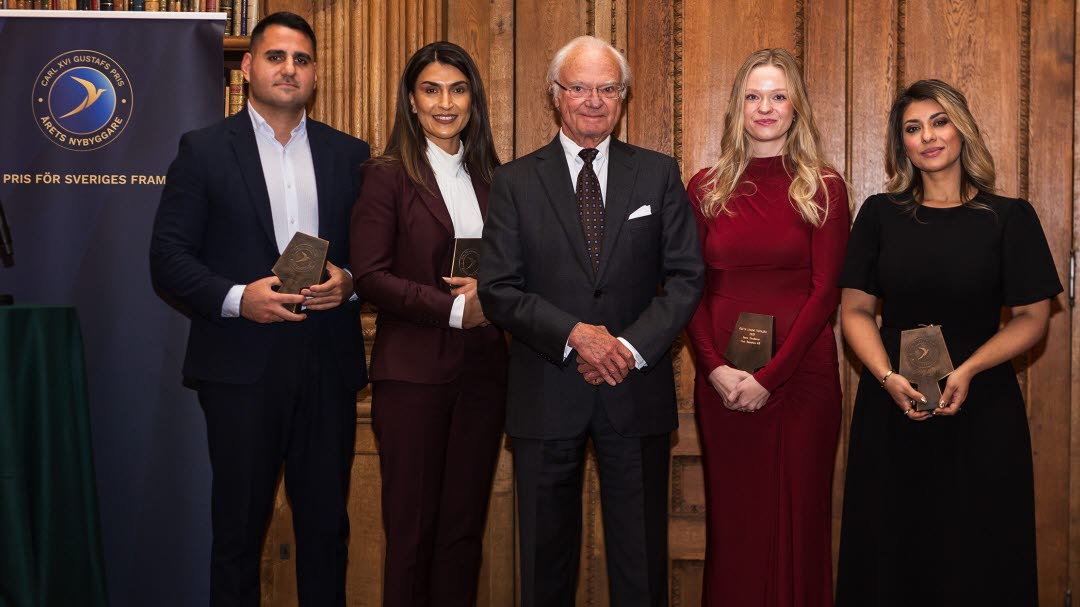
Amferia co-founder named Årets Nybyggare by the Swedish King
November 26, 2025
Amferia Marketing Director Saba Atefyekta was awarded the King Carl XVI Gustaf's New Entrepreneur of the Year Award (Årets Nybyggare) at Sweden’s Royal Palace. The award is Sweden’s most prestigious recognition of a talented, foreign-born entrepreneur. Atefyekta received this honour for her contribution to the growth of Amferia, a company developing next-generation antibacterial technology that help reduce the use of antibiotics.
Atefyekta is a co-founder of Amferia, a medical device company that has developed a breakthrough technology using anti-microbial peptides to combat the rapid rise of antibiotic-resistant bacteria and speed the healing of wounds.
Born in Iran, Atefyekta migrated to Gothenburg with her husband 15 years ago.
“I left the country to follow my dreams,” Atefyekta said. “It was difficult there, and I have always had a dream of furthering my education.”
Following inspiration
She arrived in Sweden with a degree in chemistry, an interest that took off during high school due to an inspiring teacher.
At Chalmers University of Technology in Gothenburg, her work caught the eye of another inspirational figure, Atefyekta’s doctoral supervisor, Martin Andersson, a professor of materials science. Andersson encouraged her to pursue entrepreneurship after her studies.
With fellow researcher Anand Kumar Rajasekharan, Atefyekta and Andersson founded Amferia in 2018 with the goal of developing medical products to combat antibiotic resistance. The company is exploring the use of their patented technology in a number of medical and veterinary applications.
Therese Rydell Joins Amferia as Director of Quality and Regulatory Affairs
October 23, 2025
Amferia is happy to welcome Therese Rydell as the Director of Quality and Regulatory Affairs. Therese has extensive background from quality and regulatory operations in med-tech industry bringing knowledge and experience for the continued growth of Amferia. The company is now expanding the animal health business to new markets and pursuing regulatory approval in the US.
Therese has a solid background in QA/RA from global companies in the Medtech field spanning over 10 years in leading roles such as; Global QA Engineer at Mölnlycke HealthCare, Quality and Regulatory Manager at Integration Diagnostics Sweden and most recently as Senior Regulatory Affairs Specialist, International Registrations at Cochlear Bone Anchored Solutions. At Amferia, Therese will head up the QA/RA operations and enable bringing high quality products to patients. Therese’s extensive knowledge in the life science industry will be important for Amferia’s scale-up journey in both human and animal wound care.
Anand Kumar Rajasekharan, CEO of Amferia − “We are delighted to welcome Therese, whose knowledge of quality and regulatory affairs strengthens Amferia’s position as a competent and cutting-edge SME. We look forward to jointly achieve the upcoming key milestones such as the expanding our animal health business to new markets and pursuing FDA and CE regulatory processes for human health.
Therese Rydell− “Amferia is an exciting company to join and build. The technology offers a paradigm shift in wound care with nontoxic properties still killing bacteria, even the resistant ones. In a world where antimicrobial resistance is an increasing challenge to humanity, I am glad to be a part of reducing that threat".
For more information, please contact: Anand Kumar Rajasekharan,
Amferia welcomes Ulrika Holmquist, DVM, as Clinical Development Manager - Animal Health
October 12, 2025
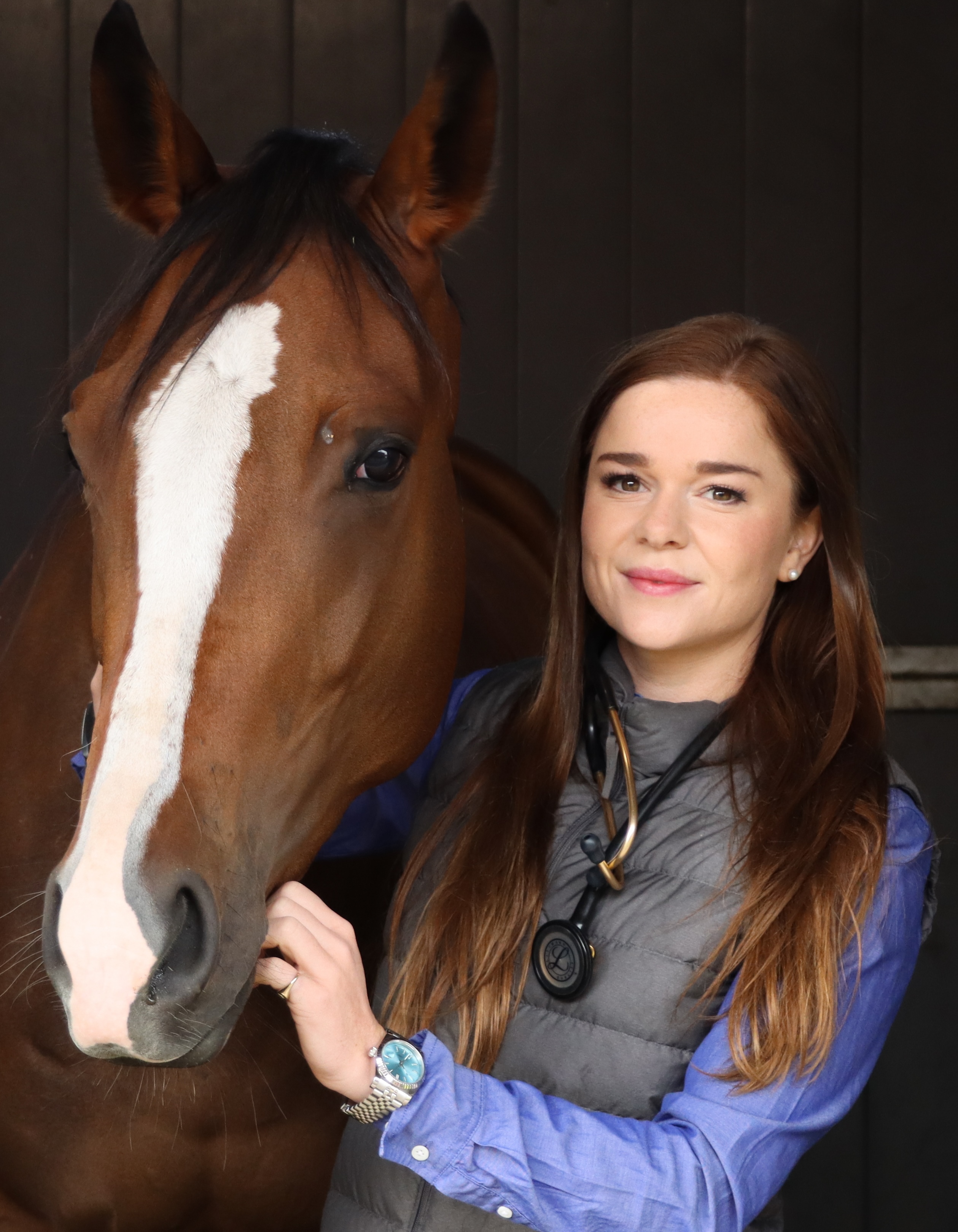
Ulrika is a registered veterinarian educated at the Swedish University of Agricultural Sciences (SLU) in Uppsala. During her career, she has built an impressive international career caring for racehorses across New Zealand, North America, the Middle East, and Europe.
Her focus has always been on high-performance care and preventative medicine.Ulrika is passionate about driving progress in veterinary medicine and translating new technologies into meaningful clinical impact. Joining Amferia as Clinical Development Manager for Animal Health gives her the opportunity to contribute to the development of our antimicrobial technology an area with immense potential for improved outcomes and sustainable care.
A warm welcome to Amferia’s new Board Members
August 4, 2025
We are proud to introduce the addition of two remarkable individuals to our Board of Directors. Each new member brings a wealth of diverse experience and knowledge to our team which will further strengthen Amferia’s position in addressing antibiotic resistance and infection management.
Anders Husmark has over 20 years of leadership experience within woundcare and surgical care, and was previously the R&D Director, Surgical Division, Mölnlycke Health Care followed by leading Business Development for RLS Global. Anders brings decades of expereince and practical knowledge on clinical implementation of new technologies that will serve as the foundation for next steps for Amferia, when entering the human health market.
Henrik Jansson is presently an CEO and Investment Director at Almi Invest Väst Svergie focusing on medtech, healthtech and greentech. Henrik has over 20 years of experience in the building and running companies and has a broad knowledge on scaling up operations and long-term strateigc development.




.jpeg)